
Category: Kubernetes
-
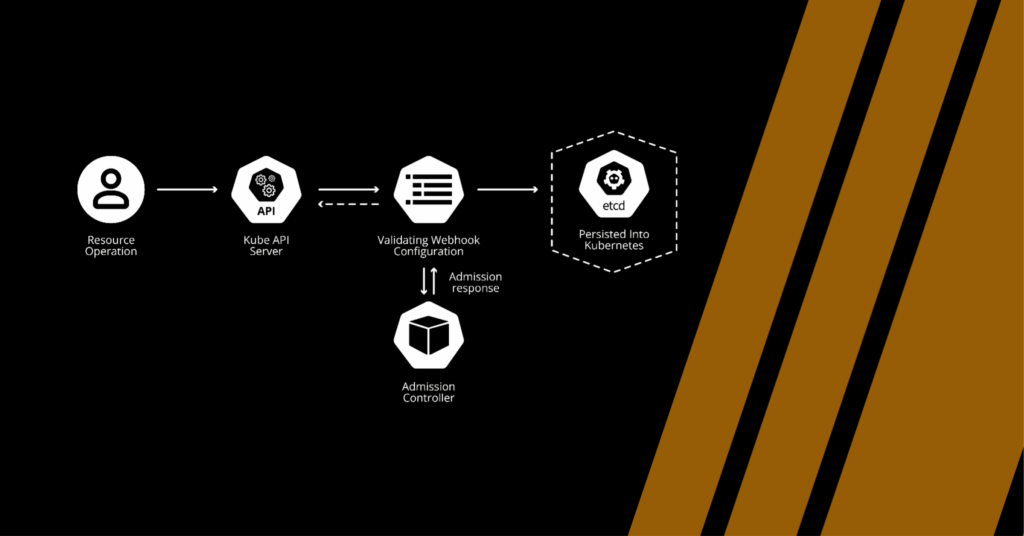
Rethinking Node Drains: A Webhook Based Approach to Graceful Pod Removal
Why and how we built an admission controller to make node drains safer when running stateful applications in Kubernetes. Running stateful applications in Kubernetes is increasingly common and these are often managed using custom…
-

Pod vs. Container: What are the Key Differences?
What is a Kubernetes Pod? A Kubernetes Pod is the smallest deployable unit in Kubernetes, representing a single instance of a running process in the cluster. Pods are typically created and managed by higher-level…
-
Withdrawal of the Couchbase Service Broker
Couchbase will be formally withdrawing the Couchbase Service Broker, as a supported product, from 1st November 2023. What is a Service Broker? Service Brokers implement the Open Service Broker API, an open standard for…
-

Multi-Cloud vs. Hybrid Cloud: Differences, Benefits & Strategies
Is your enterprise organization taking advantage of a multi-cloud or hybrid cloud strategy? According to Gartner Group, over 75% of mid-size and large organizations will have adopted a hybrid or multi-cloud strategy by 2021.…
-
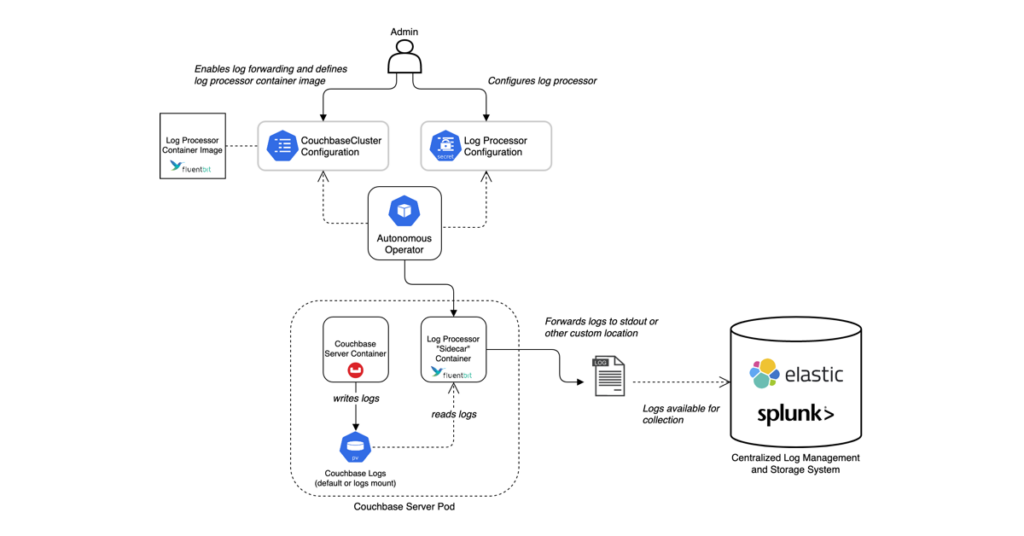
11 Fluent Bit Examples, Tips & Tricks for Log Forwarding with Couchbase
Log forwarding and processing with Couchbase is easier than ever. We have support for log forwarding and audit log management for both Couchbase Autonomous Operator (i.e., Kubernetes) and for on-prem Couchbase Server deployments. In…
-

4 Patterns for Microservices Architecture in Couchbase
Microservices have emerged as a common architecture pattern over the last decade. In this approach, small, autonomous and loosely coupled services work together over a distributed network. Each microservice is typically delimited to a…
-

Couchbase Autonomous Operator vs MongoDB Enterprise Kubernetes Operator
A Kubernetes Operator is a software extension to Kubernetes that supports built-in capabilities to manage your Kubernetes applications in an automated fashion and that follows Kubernetes principles – especially the Control Loop pattern. Why…
-

Using Fluent Bit for Log Forwarding & Processing with Couchbase Server
With the recent release of Couchbase Autonomous Operator (CAO) 2.2, we have recently provided log processing and forwarding for the Kubernetes deployments using the OSS Fluent Bit tooling. This is also OSS and available…
-

Why Couchbase Is the Best NoSQL Option for Red Hat OpenShift
Red Hat’s leadership in the container orchestration space with OpenShift mirrors Couchbase’s leadership in the containerized database space with its Autonomous Operator. This fact is the foundation of the partnership between Red Hat and…
-
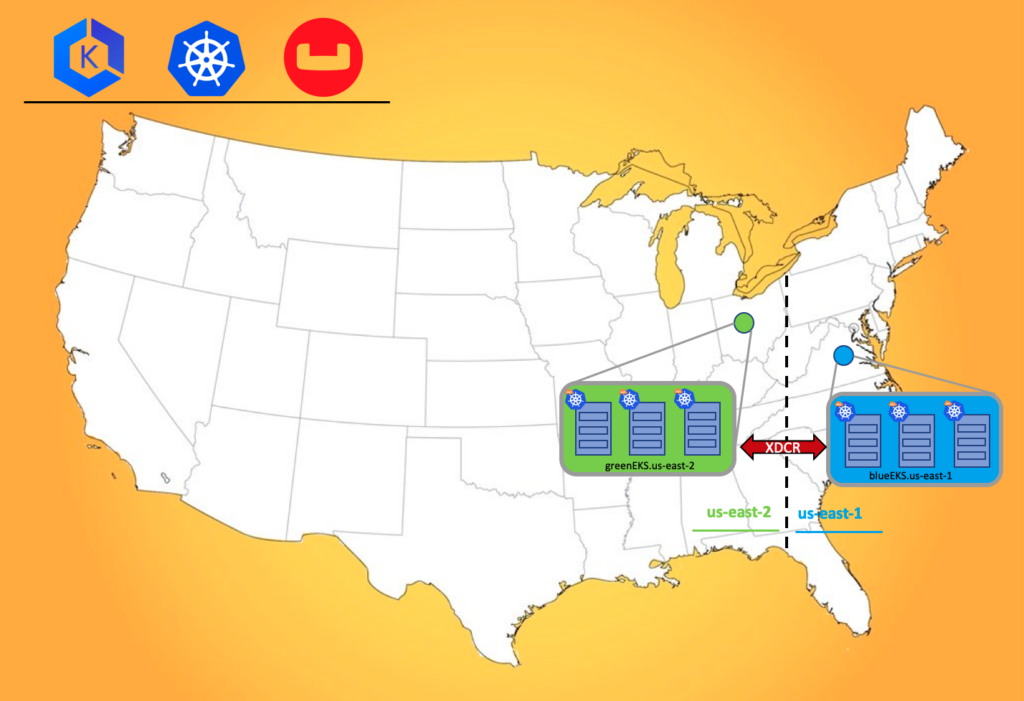
Inter-Kubernetes Networking via VPC Peering
1. Introduction It is often desirable by enterprise customers to have standby database cluster/s for data locality and high performance, disaster recovery and/or for mere data backups. Couchbase Cross Data Center Replication (XDCR) requires…
-

Infosys “OpenHack” Development Program Features Couchbase
Couchbase is expanding its partnerships with industry-leading global systems integrators and regional solution providers. Through these partnerships, Couchbase’s unique capabilities can be delivered to our global footprint of enterprise customers. We collaborate closely with…
-

Observing the Rising Tide of Developer Influence
International Data Corporation (IDC) announced the results of a really interesting research project recently, where it has surveyed 2,500 developers around the globe. The IDC team commenting on the report saying that: “Developers are…