

Learn how to create a web application using the Go programming language and a Couchbase NoSQL database that can be queried using GraphQL from the front-end.
The post focuses on the availability of the Couchbase Autonomous Operator 0.8 Beta enables running Couchbase deployments natively on Open Source Kubernetes.
The Query Plan Visualization Tool is one of the quickest ways to understand your query behavior, with it you can easily identify how your queries will be executed. This knowledge is essential for boosting your queries, as you can get...

Walk through an example of using Couchbase Lite 2.0 as an embedded NoSQL JSON database within your Swift App as a replacement for SQLite or Core Data.
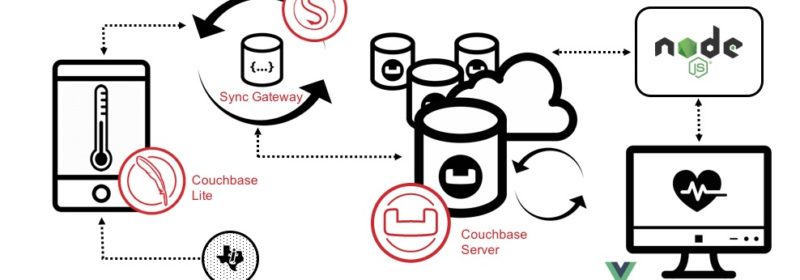
Last Fall we showed a 30 minute live demo of a full stack application written using a broad range of the Couchbase Data Platform capabilities. This was at the Couchbase Connect Silicon Valley 2017 conference. In this introductory post,...
Learn GraphQL for querying in a NoSQL Node.js database application that's built for Couchbase. You'll also learn when to use GraphQL, and when not to.

This Couchbase post explains how you can create an AKS cluster and install a Couchbase cluster on it, using the Couchbase Kubernetes operator.
This Couchbase blog post discusses using the Event Sourcing and Event Logging pattern to “go back in time” and understand what went wrong in your network.

This post is a step-by-step guide to using Xcode Playground to test and explore the Query API in Couchbase Mobile 2.0. Given the unified nature of the QueryBuilder API you should be able to easily translate the swift queries to any of the other platform languages supported in Couchbase Lite
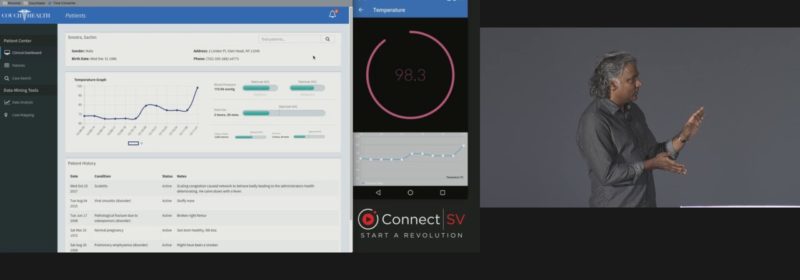
Check out the Couchbase Connect 2017 Silicon Valley Technical demo which presents how to build a Full Stack Application Using the Couchbase Data Platform.
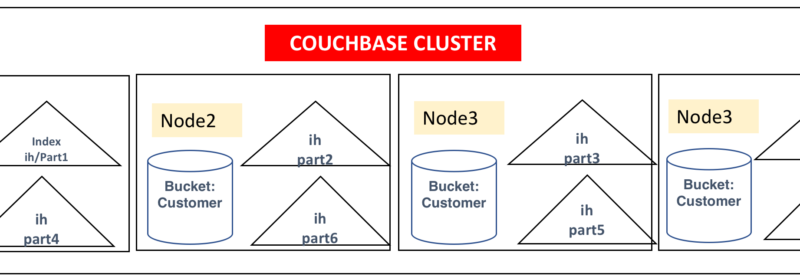
See how index partition helps increase capacity for your index, better queriability and higher performance and TCO for your queries.
Learn why the Couchbase selected OpenTracing as its tracing API. Also, check a brief introduction to SDKs ThresholdLoggingTracer with the .NET SDK.

Check out our developer portal to explore NoSQL, browse resources, and get started with tutorials.

Get hands-on with Couchbase in just a few clicks. Capella DBaaS is the easiest and fastest way to get started.

Want to learn more about Couchbase offerings? Let us help.