
Category: Best Practices and Tutorials
-
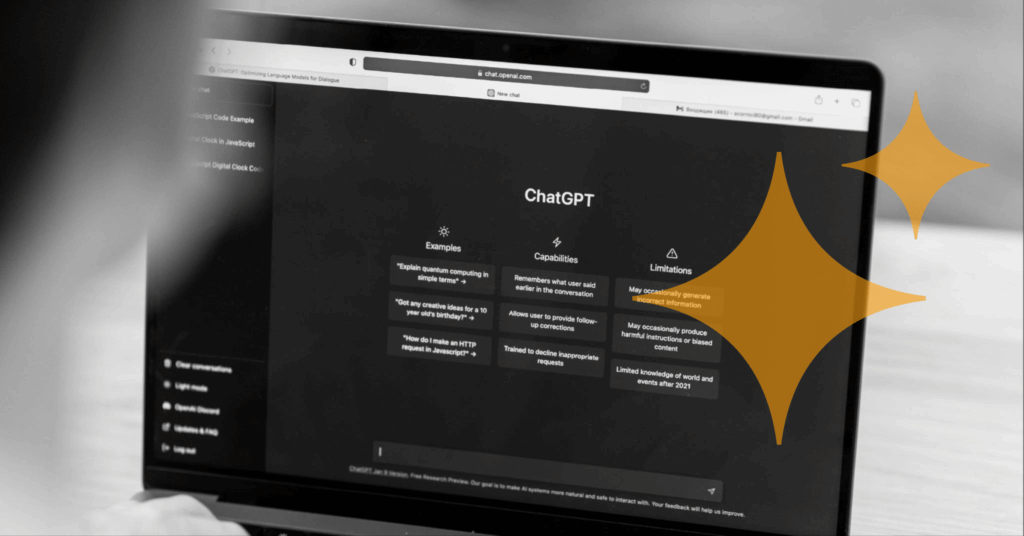
What is Prompt Engineering? Techniques, Examples, and Tools
Prompt engineering is the practice of designing effective inputs to guide AI systems toward more accurate, useful, and context-aware outputs. It is increasingly applied in areas such as business automation, creative work, research, and…
-

How I Built a Plant RAG Application with Couchbase Vector Search on iOS
You know that feeling when you see a beautiful plant at the store but have no idea what it is or how to care for it? That’s exactly what happened to me last spring,…
-

Framework vs. Platform: Key Differences and When to Use Each
Frameworks offer a foundation for building software, helping developers implement custom logic while handling common tasks like routing and user interface (UI) design. They follow the inversion of control (IoC) principle, where the framework…
-

High Availability vs. Fault Tolerance: Key Differences
High availability and fault tolerance are both strategies for maintaining system operationality, but they differ in approach and complexity. High availability focuses on minimizing downtime through rapid recovery, while fault tolerance ensures uninterrupted operation…
-

Couchbase Integration with Hyperledger Fabric: A Technical Deep Dive
What is Couchbase? Couchbase is a distributed NoSQL document database that provides a flexible, high-performance, and scalable data management solution. It combines the best features of document databases with key-value stores, making it well-suited…
-

Vector Database vs. Graph Database: Differences & Similarities
What is a vector database? A vector database is a type of database designed to store, index, and search high-dimensional vector representations of data, typically generated by machine learning models. These vectors, also known…
-

What is Real-Time Data? Types, Benefits, and Limitations
What does real-time data mean? Real-time data refers to data that is processed and made available with minimal latency, typically within milliseconds or seconds of creation. It enables systems to react to events as…
-

Optimizing TCO: Automate Cluster Hibernation Using Terraform
Couchbase Capella’s Cluster On/Off feature allows users to pause and resume their clusters seamlessly, without permanently deleting the data, helping optimise cloud expenses and improve operational efficiency. In this blog, we’ll explore how this…
-

A Comprehensive Guide to Federated Learning
What is federated learning? Federated learning is a machine learning (ML) approach that enables multiple devices or systems to train a shared model collaboratively without exchanging raw data. Instead of sending data to a…
-

Semantic Similarity with Focused Selectivity
Why does semantic search need selectivity? Up until now, we’ve viewed a vector embedding as a complete, stand-alone entity – focused entirely on the meaning it encodes. While this enables semantic search, often with…
-

Migrate from Capella Free Tier to a Paid Account in 4 Steps
What is the Capella free tier? Couchbase Capella offers a free tier product with a perpetual, no-cost environment for users to explore and experience the capabilities of Couchbase’s NoSQL database platform. This free tier…
-

The Importance of Data Preprocessing in Machine Learning (ML)
Data preprocessing is a vital step in machine learning that transforms raw, messy data into a clean and structured format for model training. It involves cleaning, transforming, encoding, and splitting data to improve model…