
Author

-

NoSQL Database Evaluation: A Hands-On Guide
Evaluating a NoSQL database isn’t about checking off a list of features. Instead, you should be asking yourself how each database will hold up under your real-world access patterns, scale requirements, and operational constraints…
-

AI Stack Consolidation With a Database-as-a-Service
A Database-as-a-Service (DBaaS) is a fully managed data layer that collapses the AI stack into one platform. The concept is simple, but the architecture problem it solves can be extremely complex. If you’re an…
-
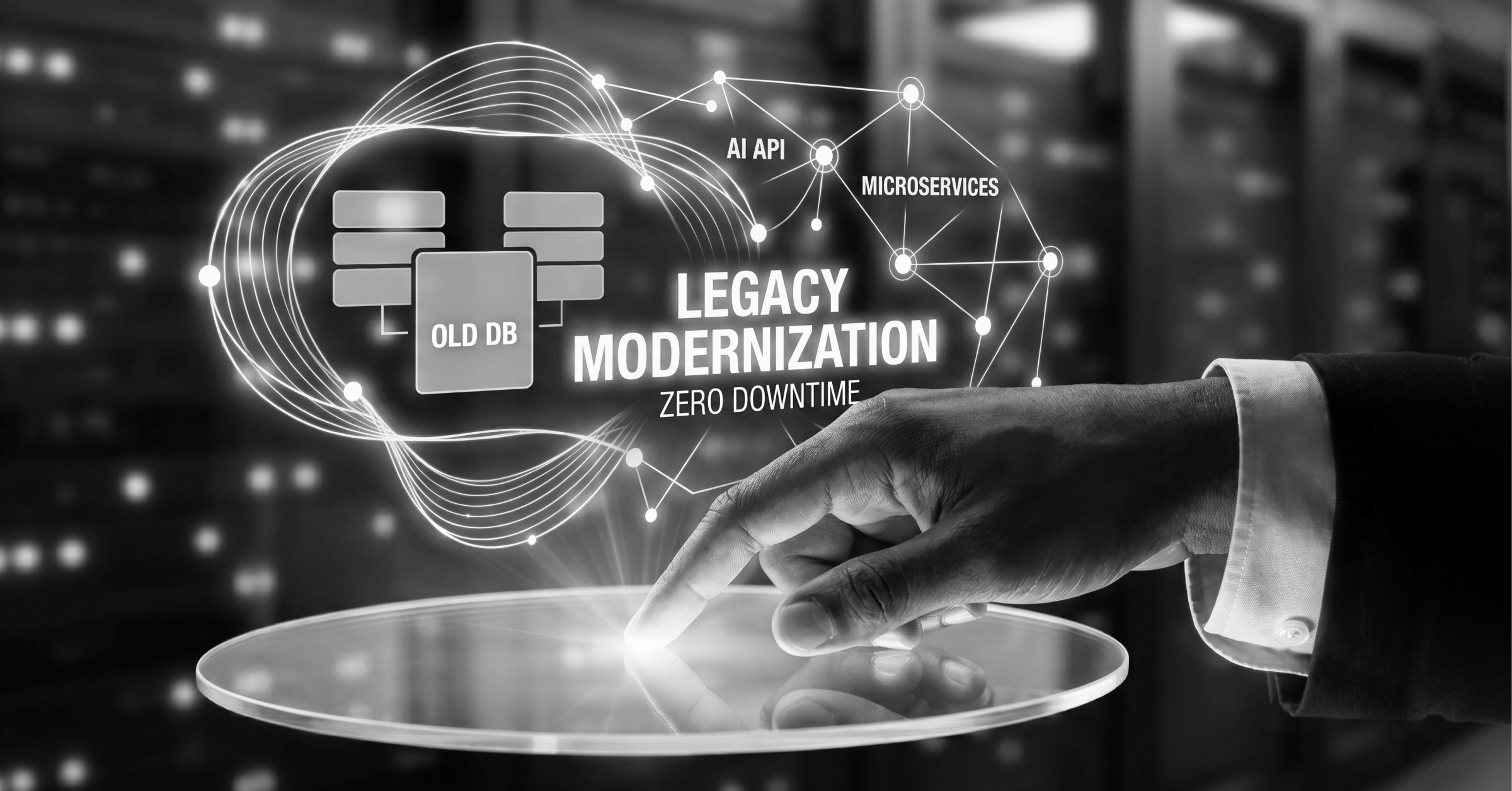
Enterprise NoSQL Modernization: What Migration Planning Gets Wrong
A data migration strategy for NoSQL modernization fails when it treats database replacement as a data transfer problem. It’s actually a program execution problem. Many enterprise modernization initiatives begin with months of evaluating database…
-

AI Inference vs. Training: Key Differences
Building an AI strategy is a lot like preparing a student for a career. You have years of intense study, reading, and testing, followed by the actual job where that knowledge is applied to…
-

On-Device AI: Benefits, Use Cases, and Challenges
SUMMARY On-device AI runs directly on local devices instead of relying on remote servers. Typically, large AI models are trained in the cloud and then compressed so devices can use them for real-time inference.…
-

What Is DiskANN? Billion-Scale Vector Search Explained
Retrieval-augmented generation (RAG), semantic search, and AI agents all depend on one thing: the ability to quickly find the most relevant vectors in a large dataset. As embedding datasets grow from millions to billions…
-
What Is a Token in AI? An Explainer
SUMMARY A token is the smallest unit of text an AI system uses to interpret and generate language, and it can represent a full word, part of a word, a character, or even a…
-
Agentic RAG Explained
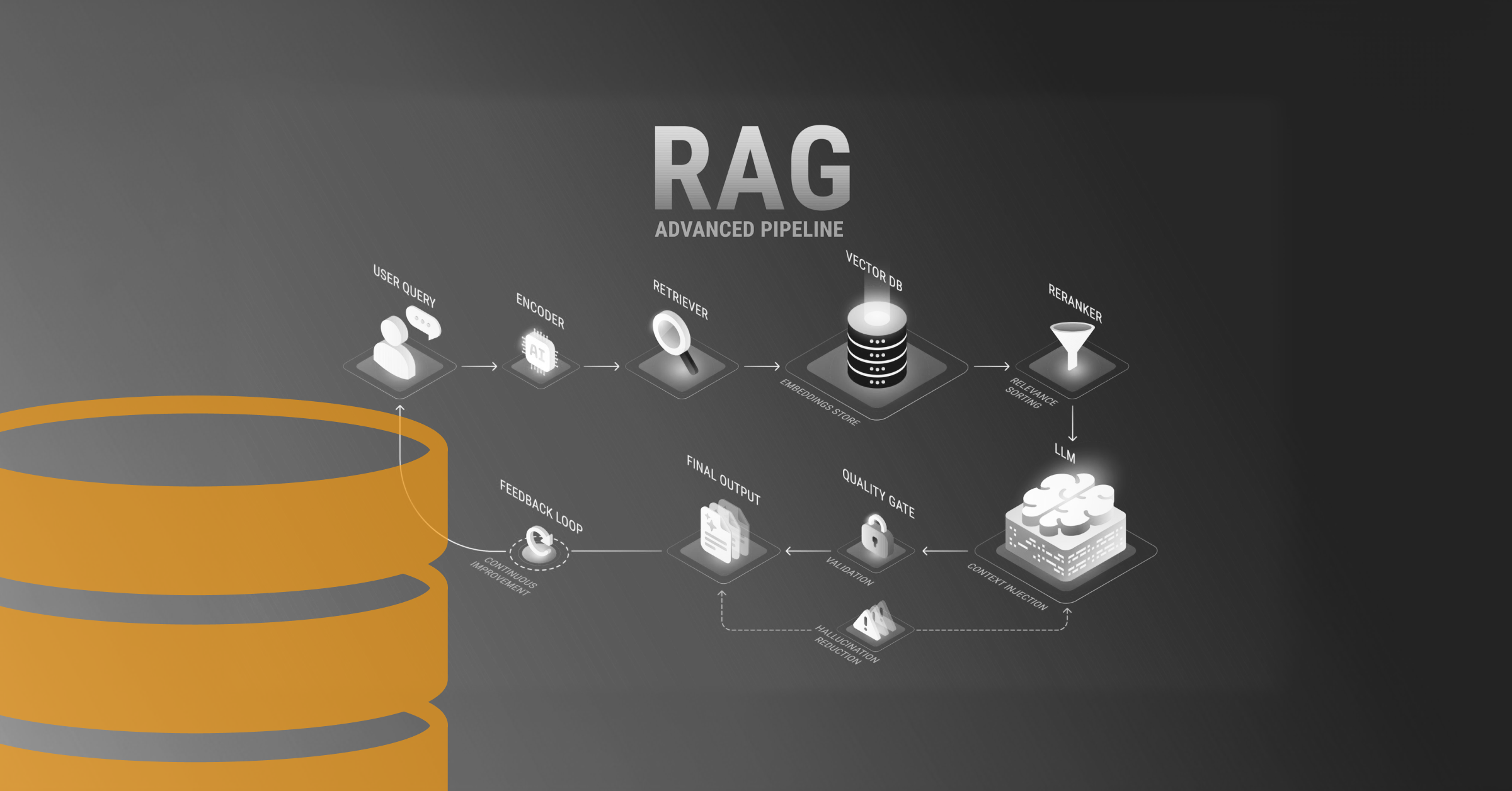
SUMMARY Agentic retrieval-augmented generation (RAG) extends traditional RAG by adding an autonomous agent that can reason, plan, and take actions to achieve a goal rather than relying on a single retrieval step. Unlike standard…
-

Vector Database Use Cases: Search, RAG, and AI Apps
What is a vector database? At a high level, a vector database is a specialized system for storing, managing, and querying data as high-dimensional vectors. Unlike traditional relational databases that store structured data in…
-

What Is an AI-Powered Recommendation Engine?
What are AI recommendation engines? AI recommendation engines are systems that use AI to analyze data and user behavior to predict and suggest content, products, or actions relevant to each individual user. In basic…
-

An Overview of Vision Language Models (VLMs)
What are vision language models? Vision language models are AI systems designed to understand and reason across both visual and textual data. Unlike traditional computer vision (CV) models that only analyze images, or large…
-
The Difference Between Data Integration vs. Application Integration
What is data integration? Data integration is the process of combining data from various sources into a single, unified view. It focuses on the movement and transformation of data itself. The primary goal is…


