
Autor

-

Evaluación de bases de datos NoSQL: Una guía práctica
Evaluar una base de datos NoSQL no se trata de marcar elementos en una lista de características. En su lugar, debes preguntarte cómo resistirá cada base de datos bajo tus patrones de acceso del mundo real, tus requisitos de escala y tus limitaciones operativas…
-

Consolidación de la pila de IA con una base de datos como servicio
Una Base de datos como servicio (DBaaS) es una capa de datos totalmente administrada que colapsa la pila de IA en una sola plataforma. El concepto es simple, pero el problema de arquitectura que resuelve puede ser extremadamente complejo. Si eres un…
-
Modernización de NoSQL empresarial: En qué se equivoca la planificación de la migración
Una estrategia de migración de datos para la modernización de NoSQL fracasa cuando trata el reemplazo de bases de datos como un problema de transferencia de datos. En realidad, es un problema de ejecución de programas. Muchas iniciativas de modernización empresarial comienzan con meses de evaluación de bases de datos…
-
Inferencia vs. Entrenamiento de IA: Diferencias Clave
Construir una estrategia de IA es muy parecido a preparar a un estudiante para una carrera profesional. Tienes años de estudio intenso, lectura y exámenes, seguidos por el trabajo real donde ese conocimiento se aplica a...
-
IA en el dispositivo: Beneficios, casos de uso y desafíos
RESUMEN La inteligencia artificial en el dispositivo se ejecuta directamente en los dispositivos locales en lugar de depender de servidores remotos. Por lo general, los modelos grandes de IA se entrenan en la nube y luego se comprimen para que los dispositivos puedan usarlos para inferencia en tiempo real.…
-

¿Qué es DiskANN? Explicación de la búsqueda de vectores a escala de miles de millones
La generación aumentada por recuperación (RAG), la búsqueda semántica y los agentes de IA dependen de una sola cosa: la capacidad de encontrar rápidamente los vectores más relevantes en un conjunto de datos grande. A medida que los conjuntos de datos de incrustaciones crecen de millones a miles de millones...
-
¿Qué es un token en la IA? Una explicación sencilla
RESUMEN Un token es la unidad más pequeña de texto que un sistema de IA utiliza para interpretar y generar lenguaje, y puede representar una palabra completa, parte de una palabra, un carácter o incluso un…
-
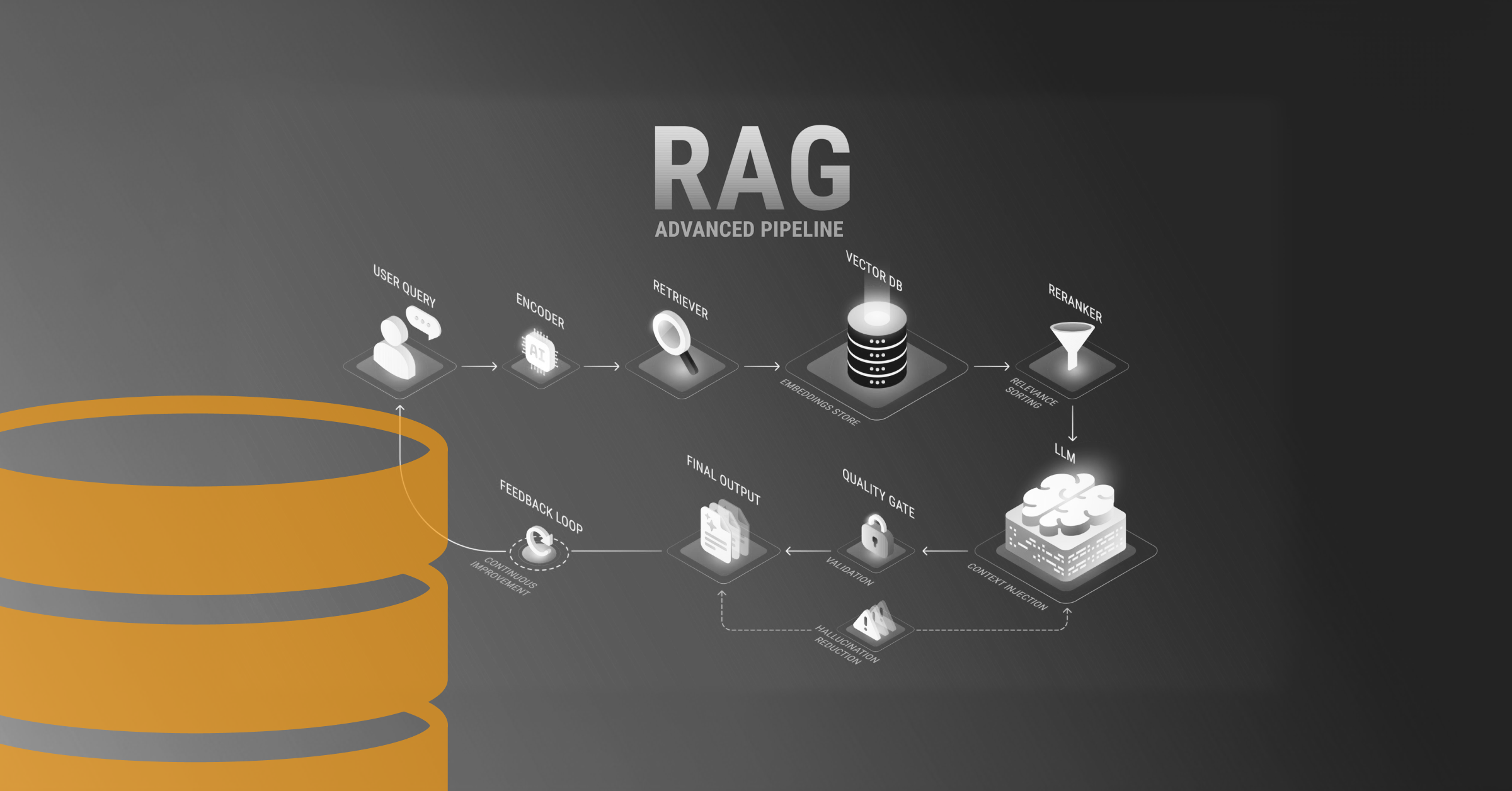
RAG agéntico explicado
RESUMEN La generación aumentada por recuperación (RAG) agéntica amplía la RAG tradicional al agregar un agente autónomo que puede razonar, planificar y tomar medidas para lograr un objetivo en lugar de depender de un solo paso de recuperación. A diferencia de la estándar…
-
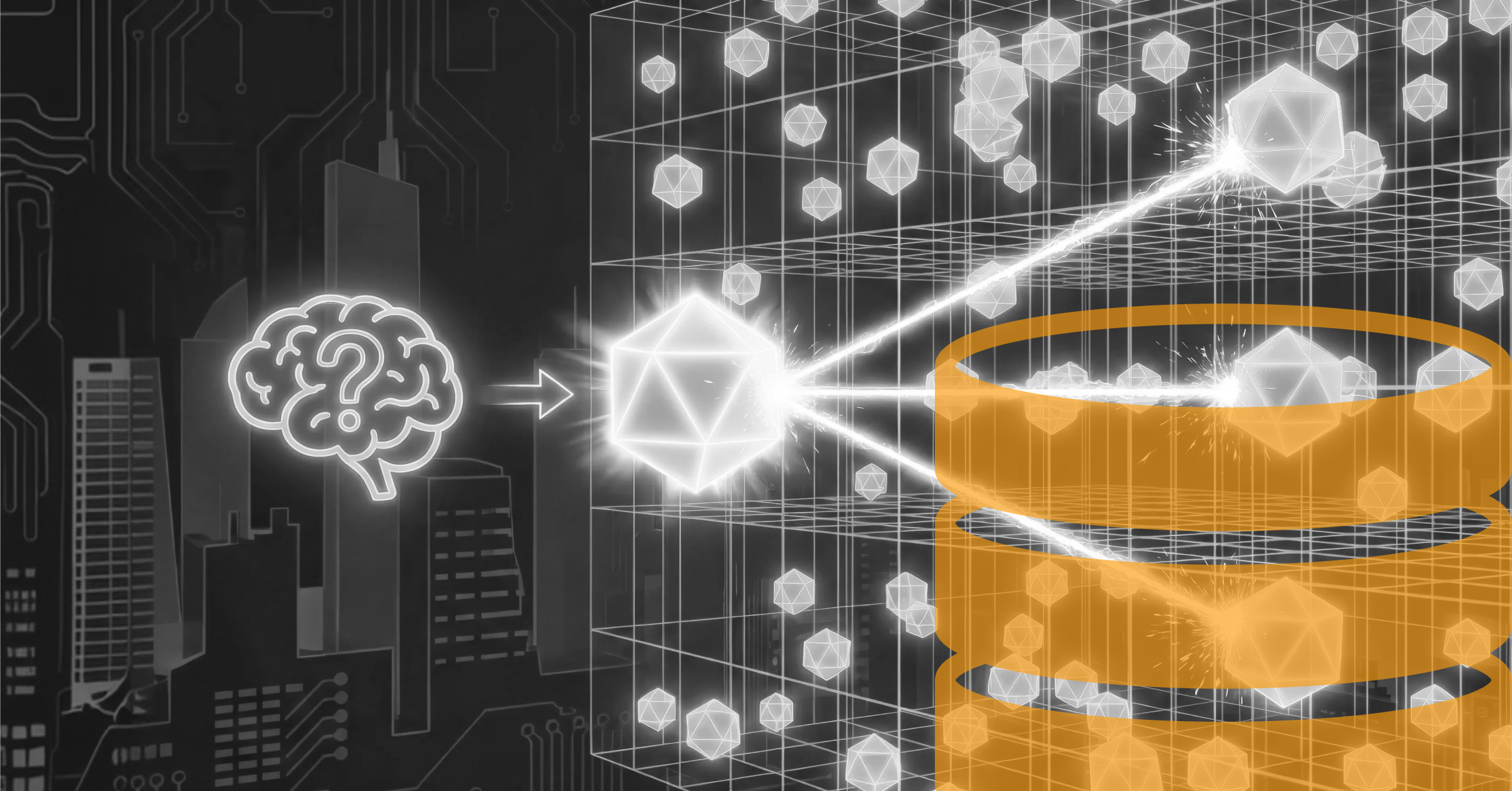
Casos de uso de bases de datos vectoriales: Búsqueda, RAG y aplicaciones de IA
¿Qué es una base de datos vectorial? A un alto nivel, una base de datos vectorial es un sistema especializado para almacenar, gestionar y consultar datos como vectores de alta dimensión. A diferencia de las bases de datos relacionales tradicionales que almacenan datos estructurados en...
-

¿Qué es un motor de recomendaciones impulsado por IA?
¿Qué son los motores de recomendación de IA? Los motores de recomendación de IA son sistemas que utilizan la inteligencia artificial para analizar datos y el comportamiento del usuario con el fin de predecir y sugerir contenido, productos o acciones relevantes para cada usuario individual. En términos básicos...
-

Una descripción general de los modelos de visión y lenguaje (VLM)
¿Qué son los modelos de lenguaje visual? Los modelos de lenguaje visual son sistemas de inteligencia artificial diseñados para comprender y razonar tanto con datos visuales como textuales. A diferencia de los modelos tradicionales de visión por computadora (CV) que solo analizan imágenes, o los grandes...
-
La diferencia entre la integración de datos y la integración de aplicaciones
¿Qué es la integración de datos? La integración de datos es el proceso de combinar datos de varias fuentes en una vista única y unificada. Se centra en el movimiento y la transformación de los datos en sí. El objetivo principal es…


