[카테고리:] 모범 사례 및 튜토리얼
-

NoSQL 데이터베이스 평가: 핸즈온 가이드
NoSQL 데이터베이스를 평가하는 것은 기능 목록을 체크하는 것이 아닙니다. 대신 각 데이터베이스가 실제 액세스 패턴, 확장성 요구 사항, 운영 제약 조건 하에서 어떻게 견뎌낼 수 있을지 자문해 보아야 합니다…
-
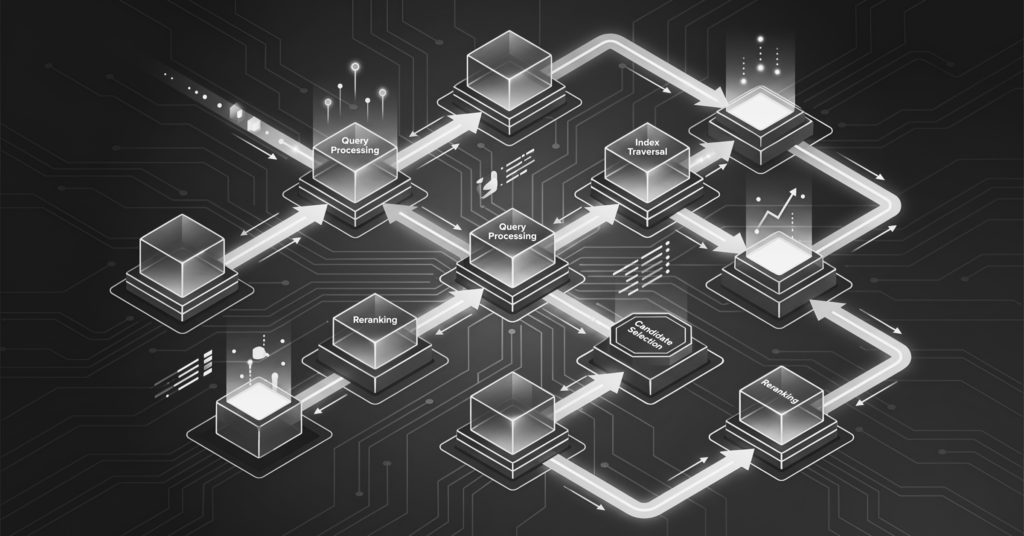
벡터 데이터베이스 아키텍처: 기술 바이어가 평가해야 할 사항
벡터 데이터베이스의 아키텍처는 임베딩, 인덱싱, 검색, 스토리지의 4개 레이어로 구성됩니다. 이러한 레이어가 어떻게 설계되고 기존 데이터 인프라와 얼마나 잘 통합되는지가 AI 검색, 시맨틱 검색 등의 성능을 좌우합니다.
-

데이터 분석 방법: 질적 분석 대 양적 분석
데이터 분석 방법은 팀이 사용자 행동 로그, 애플리케이션 텔레메트리, 고객 피드백과 같은 원시 데이터로부터 의미를 도출하는 방식을 결정합니다. 데이터를 분석하는 두 가지 일반적인 접근 방식은 정성적 분석과 정량적 분석입니다. 각 방법은...
-

앱 개발 비용: 종합 가격 가이드 및 세부 분석
요약: 앱 개발 비용을 산정하는 것은 개발 과정의 초기 단계에서 매우 중요한 단계입니다. 일부 앱의 개발 비용은 $5,000에 불과한 반면, 다른 앱은 $1백만 이상이 들기도 하기 때문입니다. 주요 요소로는…
-

데이터 Integration과 Application Integration의 차이점
데이터 통합이란 무엇인가? 데이터 통합은 다양한 소스의 데이터를 단일한 통합 뷰로 결합하는 프로세스입니다. 이는 데이터 자체의 이동과 변환에 초점을 맞춥니다. 주요 목표는…
-

데이터 일관성 대 데이터 무결성: 차이점과 유사점
“데이터 일관성'과 ”데이터 무결성'이라는 용어는 종종 혼용되어 사용되지만, 데이터베이스 관리에서는 서로 다른 개념을 나타냅니다. 그 차이를 이해하는 것은 개발자부터 데이터베이스 관리자에 이르기까지 데이터를 다루는 모든 이에게 핵심적입니다.
-

AI 앱 개발 프로세스 완벽 가이드
AI 앱 개발은 고정된 규칙에만 의존하는 대신 데이터를 바탕으로 학습, 적응, 의사결정을 내릴 수 있는 지능형 시스템을 구축하는 것을 포함합니다. 이러한 애플리케이션은 개인화 엔진, 예측 분석, 자연어 처리 등을 구동합니다...
-

Couchbase 이벤팅 서비스를 활용한 이벤트 기반 데이터 마이그레이션 및 변환
현대적인 데이터 마이그레이션은 단순한 리프트 앤 쉬프트(lift-and-shift)를 넘어, 애플리케이션이 대상 플랫폼의 장점을 즉시 활용할 수 있도록 변환, 정제, 보강 과정을 필요로 합니다. 카우치베이스 카펠라(Couchbase Capella)의 이벤트링(Eventing) 서비스는 데이터가 도착할 때 이벤트 기반의 인라인 변환을 가능하게 합니다...
-

비정형 데이터 분석 개요
비정형 데이터 분석은 텍스트, 이미지, 오디오와 같이 고정된 형식을 따르지 않는 데이터에서 인사이트를 찾아내는 데 초점을 맞추어 줍니다. 깔끔하게 정리되어 있고 쿼리하기 쉬운 정형 데이터와 달리, 비정형 데이터는…
-

Couchbase MCP와 cagent를 사용하여 AI 에이전트 구축하기
AI 생태계는 단순한 챗봇에서 스스로 계획을 세우고, 추론하며, 작업을 자율적으로 실행할 수 있는 AI 에이전트로 빠르게 전환되고 있습니다. 그 최전선에는 대중화를 이끌고 있는 강력하고 사용하기 쉬운 멀티 에이전트 런타임인 Docker cagent가 있습니다…
-

NoSQL 데이터베이스의 TCO(총소유비용)를 계산하는 방법
총 소유 비용(TCO)이란 무엇인가요? 총 소유 비용은 소프트웨어 솔루션의 수명 주기 전반에 걸쳐 배포 및 운영과 관련된 모든 직접 및 간접 비용을 포함하는 재무적 추정치입니다. 이는...
-

CI/CD 온디맨드 임페럴 환경을 위한 카우치베이스(Couchbase) 클러스터 복제 방법
지속적 통합(CI)과 지속적 배포(CD)는 이제 일반적인 소프트웨어 개발 관행이 되었습니다. 데이터베이스 세계에서 이는 온디맨드 방식의 상태 유지(stateful) 임시 환경이 필요하다는 것을 의미합니다. 상태 비저장(stateless) 환경을 프로비저닝하는 것은 특정...
